Search this site
44 results found with an empty search
- What Is the Best Podcast for Emotional Healing and Self-Worth?
There is no single best podcast for emotional healing the right one is whichever matches what you are actually working on and handles it responsibly. I have spent years making and listening to this kind of show. The useful ones share a short list of qualities, and the ones that waste your time are missing the same few. Here is what to check before you hand over your listening hours. What Makes Self-Help Shows Stand Out? A good show is more than a run of episodes. The qualities worth looking for: Authenticity: The host speaks from experience and admits what they got wrong. That honesty is what makes the advice usable. Practical Wisdom: The advice is actionable and the host says plainly whether it comes from research or from their own life. Empathy and Warmth: The tone is encouraging without being relentless. Growth is a process, not a race. Inclusivity: The show respects diverse backgrounds and perspectives, making everyone feel welcome. Consistency: Episodes arrive on a rhythm you can build a habit around. Together, those are what make a show worth returning to rather than sampling once. Eye-level view of a cozy podcast recording studio with a microphone and soft lighting Qualities of Self-Help Shows That Resonate Deeply Beyond the basics, a few things separate a show that helps from one that only sounds soothing: Clear and Compassionate Communication The host’s voice is calm and steady, like a trusted friend who listens without judgment. They use simple language, avoiding jargon, so you never feel lost. This clarity invites you to absorb the message fully and reflect on it gently. Storytelling That Touches the Heart Stories do the work that advice cannot. When a show weaves in personal accounts or listener experiences, it lands differently — you stop feeling like the only one who has been here. Encouragement to Take Small Steps Growth happens in small, consistent actions. The best shows suggest something manageable — a breathing practice, a journalling prompt — rather than a life overhaul. Small steps build momentum and confidence. Expert Insights Balanced with Relatability Expert advice is valuable and can also feel remote. The most effective shows put professional knowledge next to a relatable example, so a complex idea arrives with somewhere to land. A Focus on Emotional Wellness and Resilience The content centers on nurturing your emotional health and building resilience. It acknowledges challenges like burnout and stress, offering tools to recover and thrive. Honest Limits and Real Crisis Resources Emotional-healing content brushes up against real distress, and a responsible show says so out loud. Listen for a host who names their limits, points toward professional help rather than positioning themselves as a replacement for it, and gives you somewhere to go when an episode lands hard. If listening surfaces thoughts of suicide or self-harm, stop the episode and reach a person: in the US, call or text 988 — 988lifeline.org; in the UK and Ireland, Samaritans on 116 123 — samaritans.org; anywhere else, Find A Helpline. A podcast is a companion, not a clinician. How to Choose a Self-Help Podcast That Supports Your Growth There are thousands of options, which is its own obstacle. Here is how to narrow it down: Identify Your Needs Name the thing you want to change — stress, confidence, balance — and pick shows that address it directly rather than in general. Sample Multiple Episodes One episode tells you very little. Three will tell you whether the host is consistent and whether the tone actually suits you. Check Sources and Credentials When a show cites a study, does it name it? When a guest is introduced as an expert, is the qualification stated? Vagueness on either point is a reason to be careful. Look for Practical Takeaways Inspiration fades by the afternoon. Look for one concrete thing you could do differently by the end of each episode. Trust Your Own Read If a show consistently leaves you feeling worse, or quietly inadequate, stop listening to it. That reaction is information, not weakness. Work through those five and you will land on a show worth staying with. Close-up view of a woman writing in a journal with a cup of tea nearby The Role of a Self-Help Show in Your Emotional Wellness Journey A self-help show can be a gentle guide when life feels overwhelming. It offers a pause, a moment to breathe and reflect. Here’s how it can support you: Providing Perspective Another voice can show you your own situation from an angle you had not tried, which is often what shifts it. Encouraging Self-Compassion The reminder to be kind to yourself matters most on the weeks when nothing is moving. Building Resilience Through stories and strategies, you learn to bounce back from challenges with greater strength. Creating a Ritual of Growth Listening at the same point each day turns into a routine that anchors the rest of it. Connecting You to a Community Feeling part of a larger group can reduce isolation and increase motivation. A show with these qualities becomes a steady source of encouragement rather than background noise. Choosing the Best Podcast for Emotional Healing for You Your route through emotional wellness is your own, but a steady voice in your ear helps. A self help show built on authenticity, empathy and practical wisdom can carry you through the complicated stretches. Growth asks for patience more often than courage. Pick a show that keeps you company through the slow parts — recovering from burnout, rebuilding confidence, learning to speak to yourself decently. Step by step, episode by episode, the work adds up. I host The Self Help Show, so I have a stake in this — but these are the same criteria I hold my own episodes to: transparent authorship, named sources, honest limits, and one practical thing you can do once the episode ends. Related Self Help Show Guides Embrace Your Uniqueness — what to hold on to while a show is reshaping how you think. How to Deal With Grief — for when the healing you need is grief-shaped and episodes alone will not carry it. Burnout Recovery Tools — if you are too depleted to act on anything you listen to. Educational disclaimer: This article is for general educational purposes and is not a substitute for professional diagnosis, treatment, or therapy. Read the Medical / Professional Disclaimer: https://www.selfhelpshow.com/medical-professional-disclaimer
- Emotional Wellness Strategies: An Honest, Practical Guide
Most advice about emotional wellness assumes you have energy to spare. Often you do not. This guide sorts the emotional wellness strategies that have real evidence behind them from the ones that are simply sensible habits, and says plainly which is which. Some of what follows is research. Some is a practical structure drawn from lived experience rather than a validated clinical protocol. I have tried to be clear about the difference. What does emotional wellness actually mean? Emotional wellness is the capacity to notice what you feel, tolerate it, and still act in line with what matters to you. It is not the same as feeling good. Someone grieving well is not happy. Four things sit at the base of it: Notice before you manage: pause a few times a day and name what you are feeling, without first deciding whether you are allowed to feel it. Set boundaries you can actually keep: a boundary you enforce twice and then abandon costs more than one you never set. Start with one, and make it small. Give the feeling a route out: journalling, painting, music, a long voice note to a friend. The format is irrelevant. What matters is that it goes somewhere. Ask for help earlier than feels warranted: most people wait until they are in real trouble. Reaching out at a five out of ten is far easier than at a nine. None of that is a cure. It is maintenance, in roughly the sense that brushing your teeth is maintenance. Which of these has evidence behind it? The strongest evidence in this article is for movement, and it is more modest than the internet suggests. A 2022 meta-analysis in JAMA Psychiatry pooled fifteen prospective studies covering 191,130 adults. Compared with adults reporting no activity, those doing around half the recommended weekly volume had an 18% lower risk of later developing depression (Pearce et al., JAMA Psychiatry, 2022). Two caveats are worth holding onto. These were observational cohorts, so they show an association rather than proof that activity causes the reduction. And an 18% lower risk across a population is not a promise about any one person’s week. The rest of the strategies here, boundaries, creative expression, gratitude are reasonable practices with much thinner evidence. They are included because they are low-cost and people find them useful, not because a trial says they work. Eye-level view of a cozy corner with a journal and a cup of tea How do you build resilience without pretending you are fine? Resilience is not cheerfulness under pressure. It is the ability to keep taking small, sensible actions while you feel bad. Five things that help: Name the feeling before you argue with it: “I am frightened about Thursday” is workable. “I’m fine” is not. Separate what you control from what you do not: write two actual lists. Spend your energy on the first and stop relitigating the second. Talk to yourself the way you would to a friend: not affirmations you do not believe. Just the ordinary fairness you would extend to somebody else. Shape your environment: who you see, what you read, what is within arm’s reach when you are tired. Environment does quiet work that willpower does not. Protect a minimum, not an ideal: on bad weeks self-care is not a spa. It is food, water, sleep, and getting outside once. Resilience built this way is unglamorous and durable. It does not stop the hard thing happening. It shortens the recovery. What has your body got to do with your mood? More than most emotional wellness advice admits and this is where the evidence is strongest. Protect your sleep: short sleep makes ordinary problems feel unmanageable. If sleep has been broken for weeks, raise it with a doctor rather than trying to solve it with an app. Move in a way you will repeat: the meta-analysis above found benefit even at half the recommended volume. A walk you actually take beats a gym plan you do not. Eat regularly: erratic eating de-stabilises mood before you notice it. Regular meals matter far more than perfect ones. Slow your breathing: a few minutes of longer exhalations settles a racing nervous system. It is a short-term tool, not a treatment. Put the phone somewhere else: not forever. Just the first hour of the day, or during meals. See whether it changes anything before making it a rule. These are boring, and they compound. The effect of any one of them on a single day is close to nothing. Over months it is not. Close-up view of a peaceful garden with blooming flowers and soft sunlight How much do other people matter to this? A great deal and the quality of contact matters more than the quantity. One real conversation a week does more than a hundred messages. Be properly present in one conversation: phone face down. Half-attention is worse than a shorter call. Say the specific thank-you: “thank you for checking on me on Tuesday” lands. “Thanks for everything” does not. Join something that recurs: a class, a choir, a running group. Repetition is what turns acquaintances into people who notice when you go quiet. Give some support too: being useful to someone is a reliable way to feel less stuck. Just not at the cost of your own week. Mark the small things out loud: telling someone you got through a hard day is what makes the day count. You do not need a large circle. You need two or three people who would notice your absence. When is this beyond self-help? If low mood has run for more than a couple of weeks, or you have stopped doing things you used to do, this article is not the right tool. That is the point to speak to a doctor or a therapist. Nothing on this page substitutes for that, and needing it is common rather than exceptional. If you are thinking about suicide or about hurting yourself, please reach out now rather than working through a list. In the US, call or text 988 (988lifeline.org). In the UK and Ireland, Samaritans on 116 123 (samaritans.org). Anywhere else, Find A Helpline lists services by country. Where do you start when you have no energy? Pick one thing. Not four. If you are depleted, the honest starting point is usually sleep or a ten-minute walk, because both make everything else slightly more possible. Come back for the rest when you have the capacity for it. A plan you abandon in week two is worse than no plan, because it hands you evidence against yourself. Emotional wellness: common questions How long before any of this makes a difference? For the physical habits like sleep, movement, regular meals most people notice something within two to three weeks of doing them consistently. The reflective practices are slower and harder to measure. If you have seen nothing at all after a couple of months of real effort, that is useful information rather than a failure: it usually means the problem needs more than self-management. Is this a substitute for therapy? No. These are maintenance habits for ordinary difficulty. Therapy is for when difficulty has become persistent, is interfering with work or relationships, or involves something you cannot get past on your own. The two are not in competition, and plenty of people do both. What if I start and then stop? Then you are like almost everyone. Stopping is part of the pattern, not proof you have failed at it. Restart smaller than before the size of the original plan is usually why it collapsed. Related Self Help Show Guides Embrace Your Uniqueness: read this when wellness advice starts to feel like a demand to become someone else. Attention Management: practical help if the digital-overload part of this guide is the part you find hardest. How to Deal With Grief: for when what you are managing is loss rather than general stress. Emotional wellness is not a state you arrive at. It is a set of small, repeatable things that make the bad weeks shorter and the good ones easier to notice. Start with one of them this week. That is enough. About the creator: Learn more about Gina Margaret Tiger and the Self Help Show at https://www.selfhelpshow.com/about Educational disclaimer: This article is for general educational purposes and is not a substitute for professional diagnosis, treatment, or therapy. Read the Medical / Professional Disclaimer: https://www.selfhelpshow.com/medical-professional-disclaimer
- Remote Emotional Support Tips: How to Help From a Distance
Someone you care about is having a hard time and you are not in the room. You cannot make them tea or sit beside them in silence. What you have is a phone, a screen, and whatever you decide to do with them. That turns out to be more than it sounds. The emotional support tips below are the ones I keep returning to: how to stay present over a bad connection, when to stop talking, and how to recognize the point where a friend needs more than a friend. Does remote emotional support actually work? Yes, and it does not take a professional to deliver it. In a randomised trial published in JAMA Psychiatry in 2021, 240 mostly homebound adults were assigned either to receive short, empathy-focused phone calls or to receive nothing. The callers were sixteen laypeople aged 17 to 23, given brief training in how to listen rather than advise. After four weeks, the group receiving calls reported lower loneliness, depression and anxiety than the control group (Kahlon et al., JAMA Psychiatry, 2021). It is worth being clear about what that does not prove. The participants were older adults recruited through a meal-delivery service during the first year of the pandemic, and the trial ran for four weeks. It shows that brief, warm calls helped that group over a month. It does not show the effect holds a year later, or in a different population. How do you stay present when all you have is a phone? Presence is mostly about predictability, not intensity. A ten-minute call that happens every Tuesday does more than an hour-long one that happens when you remember. A few things that help: Be intentional with your time: ten minutes on a set day beats an hour whenever you happen to remember. Use video when it helps: seeing a face gives you information a text thread cannot. But let them decline. Some days nobody wants to be looked at. Reflect back what you hear: “it sounds like this week has been relentless” tells them you were actually listening, not waiting for your turn. Create a ritual: a standing Sunday call, a shared playlist, a photo sent every morning. The point is that it recurs without being asked for. Send low-pressure messages: a short “thinking of you, no reply needed” removes the obligation to perform being fine. Showing up on a schedule is unglamorous, and it is most of the job. It tells someone they are not being managed through a crisis. They are simply part of your week. Eye-level view of a cozy home office setup with a laptop and a cup of tea How do you build trust across the distance? Trust is built by being reliable, not by saying the perfect thing. Distance strips out tone, timing and body language, so what you are left with is your track record. Follow through: if you say you will call on Thursday, call on Thursday, even briefly. Let them set the pace: people share at different speeds. Not answering is itself an answer. Be patient: prompting harder usually closes the door rather than opening it. Keep what they share private, with one exception: if someone tells you they are thinking about ending their life, that is the point to bring in more help rather than hold it alone. Say that honestly up front rather than promising a secrecy you should not keep. Write carefully: tone collapses in text. Read a message back once before you send it. None of that is dramatic. It is the accumulation of small kept promises that makes someone willing to tell you the true version of how they are. Which tools work best for remote emotional support? The tool matters less than the intention behind it, but some formats suit some conversations better than others. Video calls: best for the harder conversations, where you need to read a face. Use whatever they already have installed. Voice messages: useful across time zones. Your voice carries warmth that text strips out, and they can listen when they have the capacity. A shared note or album: a running document lets someone add something at two in the morning without waking you. Guided audio you start together: a short breathing or body-scan track, played at the same time on a call, gives you something to do together when talking is too much. Moderated peer groups: hearing from people in the same situation is something you cannot provide on your own. Mix them. A short voice note the day after a difficult call, “still thinking about what you said” often lands harder than the call itself did. Close-up view of a smartphone screen showing a voice message being recorded What if they are in crisis and you are far away? If someone tells you they are thinking about suicide or about hurting themselves, ask directly and stay on the line. Asking does not plant the idea. Say what you have heard, ask plainly whether they are thinking about ending their life, and keep talking while the two of you work out who else can be brought in — someone physically near them, their doctor, or a crisis line. Do not promise to keep it to yourself, and do not try to be their only support. Resources worth having to hand, for them or for you. In the US, call or text 988 (988lifeline.org). In the UK and Ireland, Samaritans on 116 123 (samaritans.org). Anywhere else, Find A Helpline lists services by country. How do you support someone without draining yourself? You are allowed to be a limited resource. Supporting someone through a long, hard stretch is a marathon, and running it badly helps nobody. Say your limits out loud: “I can’t do late nights, but I’m good on Saturday mornings” is kinder than quietly going silent. Expect to get some of it wrong: you will handle some conversations badly. That is not a failure of character. Keep your own routines: sleep, movement, food, time with people who are not in crisis. These are not indulgences. Get your own support: talk to someone about how carrying this feels. A friend, a mentor, or a therapist of your own. Notice your own signals: dread when their name appears on your screen is information, not a moral failing. It usually means the shape of the arrangement needs changing. Looking after yourself is not a detour from supporting them. Someone running on empty gives advice they do not mean and resents the call they offered to make. How does remote support change over time? It should get less intense and more ordinary. Early on you may be talking daily. Months later a fortnightly call is not a sign of decline. It is often what recovery looks like. Notice the small shifts: they rang you first. They laughed. They mentioned next month. Those are the markers worth tracking. Expect setbacks: a bad fortnight does not undo a good six months. Ask open questions: “what has this week been like?” gets further than “are you feeling better?” Encourage other outlets: writing, walking, music, other people. You are one thread, not the whole net. Renegotiate as you go: what worked in month one may be wrong by month six. Say so, rather than drifting. If the arrangement has quietly stopped working for either of you, name it. Most remote support relationships do not end badly. They end vaguely, and the vagueness is the part that stings. Common questions about supporting someone remotely What do I say when I have no idea what to say? Say exactly that. “I don’t know what to say, but I’m here and I’m not going anywhere” is more useful than a borrowed phrase. People remember who stayed, not who was eloquent. Is texting enough, or do I have to call? Texting counts. It is lower pressure, works across time zones, and suits people who find calls exhausting. Voice and video add tone and expression, which matters for the harder conversations. But a consistent text thread beats an occasional call. How do I know when they need more than I can give? Look at duration and function. If low mood has run for weeks, if they have stopped doing things they normally do, if they are not eating or sleeping, or if they mention not wanting to be here that is past what peer support can carry. Say plainly that you want them to talk to a professional, and offer to help them find one. Related Self Help Show Guides Embrace Your Uniqueness: read this if being someone’s support has left you unsure who you are outside that role. How to Deal With Grief: for when what you are supporting someone through is a bereavement. Attention Management: practical help if being permanently available is eating your focus. Where to start this week Pick one person and one small, repeatable thing. A ten-minute call on a set day. A voice note every Sunday. Tell them it is a standing arrangement, so they never have to wonder whether they are a burden for expecting it. Distance limits what you can do. It does not limit whether you show up. About the creator: Learn more about Gina Margaret Tiger and the Self Help Show at https://www.selfhelpshow.com/about Educational disclaimer: This article is for general educational purposes and is not a substitute for professional diagnosis, treatment, or therapy. Read the Medical / Professional Disclaimer: https://www.selfhelpshow.com/medical-professional-disclaimer
- How to Ethically Learn from Role Models to Level Up Your Life
Learning from people you admire is one of the fastest ways to build momentum, as long as you are clear about what you are taking. Lifting someone’s artwork, their lyrics or their whole identity is plagiarism. Studying their habits, their routines and how they handle a bad week is not. The difference is the whole subject of this guide. On The Self Help Show I talk about how watching several respected people in your field gives you the pieces to build a life that is actually your own, rather than a copy of any one of them. Disclaimer: this article covers personal development, habit formation and goal-setting. It is not legal advice about intellectual property, and it is not clinical mental health guidance. For copyright questions or psychological support, speak to a qualified lawyer or healthcare professional. Where does learning from role models end and plagiarism begin? The boundary is not vague. Duplicating someone’s songs, lifting their written work or reproducing their designs is plagiarism, and usually copyright infringement as well. Learning from role models means something narrower and far more useful: studying the behaviour, the discipline and the ordinary daily choices sitting underneath the work. Public figures are useful mostly because they make the ceiling visible. Ciara, the example I use in the episode, is a singer who also built a business — which is straightforward proof that the two are not mutually exclusive. The aim is not to become a copy of one person. Take one thing each from four or five people and what you end up with belongs to you. Why does watching other people’s habits speed up your own progress? Consistency is where most of us come apart. You set the goal, hold it for four days, then drift back the moment you get tired or someone questions it. Watching how people who have already done the thing structure their weeks makes it look less like willpower and more like a system — which is a far easier thing to copy. There is a useful piece of evidence behind this. In the British Journal of General Practice, Gardner, Lally and Wardle set out how health habits actually form: repeating a simple action in the same context, over and over, until the cue does the work and conscious effort is no longer required. That paper is written for GPs advising patients, not for anyone studying role models, so treat it as an explanation of the mechanism rather than as evidence that modelling works. But the mechanism is the same one you are borrowing when you adopt somebody else’s morning routine. For more on building routines that survive a difficult stretch, read Self-Development for a Better Life, or read more about me. How do you stay committed when the people around you are sceptical? Changing how you live tends to attract commentary, often from people who mean well. New boundaries, new hours, time spent on something with no visible return yet — all of it invites the question of whether you are wasting your time. The goals are yours, and they do not need a majority vote. Nobody else has to understand the plan for it to be worth following, and waiting for them to approve it usually costs you the months you were going to spend on it. If tiredness or too much screen time is what keeps breaking your consistency, these burnout recovery tools deal with the energy problem directly, which is usually the real obstacle. 5 Practical Steps to Model Success Ethically 1. Select Four or Five Role Models Pick a small group who are good at the specific things you want to be better at — work, fitness, mindset, relationships. A mixed group stops you over-imitating any single person. 2. Study Healthy Habits and Daily Systems Use books and interviews deliberately rather than scrolling. Look at how they start the day, keep their energy up, keep learning, and what they do after something goes badly. 3. Extract Core Principles, Not Creative Work Take the principles — showing up on time, moving your body, doing the reading, finishing things. Leave their actual output, branding and original work exactly where it is. 4. Infuse Your Personal Voice and Style Fit what you have gathered to your own values, schedule and temperament. A routine borrowed wholesale from someone whose life looks nothing like yours will not survive the first busy week. 5. Practice Consistent Daily Implementation Commit to one or two habits rather than a full life overhaul. Small actions repeated for months are what build the foundation; ambitious overhauls tend to last about a fortnight. Key Takeaways Model Principles, Not Content: Ethical growth focuses on adopting healthy habits and discipline while respecting intellectual property and avoiding copyright infringement. Diversify Inspiration: Gathering positive elements from several respected leaders helps construct a balanced lifestyle without copying one person's identity. Focus on Daily Systems: Watching how other people manage time, food and movement gives you a working blueprint rather than a motivational slogan. Stay Resilient Against Skepticism: Recognize that personal goals are individual, requiring inner determination even when external support is quiet. Blend Insights Authentically: Infusing adapted habits with your unique voice ensures your personal development journey remains genuine. Frequently Asked Questions What is the difference between inspiration and copyright infringement? Inspiration means studying someone’s work ethic, training routine or use of time and applying the same principles to your own days. Copyright infringement means reproducing their original creative work — lyrics, text, images, designs — and passing it off as yours. How do I choose the right role models to follow? Look for people who have been consistent over years rather than spectacular for a season, in areas that actually overlap with your goals. How someone treats other people matters as much as what they have achieved. What should I do if friends or family doubt my goals? Hear the concern without relitigating the decision. Keep the daily habits going, find one or two people who are doing something similar, and let the results make the argument for you. Can I reach out directly to people I look up to? Yes. A short, specific, polite message occasionally gets a reply. Respect their time, expect silence more often than not, and in the meantime work with what they have already said publicly — which is usually most of it. Related Self Help Show guides Embrace Your Uniqueness — the other half of this: what to keep that is only yours. Attention Management: Why Your Attention Is More Valuable Than Money — for studying people deliberately rather than doomscrolling past them. Self-Development for a Better Life — where to take the habits once you have chosen them.
- Top Self-Help Podcast Episodes: How to Find the Ones That Help
The top self-help podcast episodes are the ones you can still describe a week later. Not the ones that felt good for forty minutes. That is a low bar and remarkably little clears it, which is how a listening habit can absorb hours a week and leave nothing behind. This guide is about telling the difference before you spend the time rather than after. I host a self-help show, so read this as someone with an obvious stake in you listening to podcasts. That is exactly why I would rather hand you the filters than a list of titles. What Makes a Self-Help Podcast Episode Worth Your Time? An episode earns its place if it changes something you do, not only something you feel. The feeling has usually gone by the next morning. A great deal of this category is built to deliver the feeling, because that is what keeps people subscribed, and the two are genuinely hard to tell apart while you are still listening. The themes worth your attention tend to be narrow rather than sweeping: Emotional resilience: what somebody actually did after a setback, described in enough detail that you could copy it. Mindfulness and attention: a practice short enough that you will still be doing it in a month. Self-compassion: the difference between letting yourself off entirely and holding yourself to something you can actually reach. Goals and follow-through: the mechanics of continuing, rather than the feeling of wanting to. Boundaries: the actual sentence you say out loud, not the principle sitting behind it. Every one of those asks for specifics. An episode that stays at the level of the principle has handed you nothing you can act on, however good it sounded. Eye-level view of a cozy podcast recording studio with a microphone and headphones How Do You Judge an Episode in the First Ten Minutes? Five checks, and all of them fit inside the opening. If an episode fails most of them, close it. You are not obliged to finish anything. Who is speaking, and what are they qualified in? “Wellness expert” is not a credential. A named profession is one. So is a plain “this is only my experience” — that at least tells you what you are being handed. Does the episode name its sources? “Studies show” with no study attached is a figure of speech. If a claim is doing real work in the argument, the host should be able to say where it came from. Is there a promise with a timeline attached? Fix your anxiety in thirty days is a marketing claim, not a clinical one. Nobody can offer you that, and the people who do are usually selling the follow-up. What happens when the subject gets heavy? A host who admits the limits of the format and points you somewhere else is worth more than one who positions the show as the whole answer. Can you say what you are meant to do differently? If you cannot answer that at the end, the episode was entertainment. That is completely allowed. Just file it correctly, and do not count it as progress. Three out of five is usually enough to keep going. Below that, the show is not built for what you came for, and no amount of persistence will change that. How Do You Get More From What You Listen To? Listening on its own does very little. A small amount of structure is what turns it into something that accumulates: Pick the time, not the gap: an episode attached to a walk you were taking anyway lands better than one used to fill a silence you found uncomfortable. Write one line afterwards: what landed, and what irritated you. The irritation is usually the more useful of the two. Take one thing, not six: a single change you actually make beats five you agreed with and forgot. Stop mid-episode if it stings: a host whose tone leaves you feeling worse about yourself is giving you information. Close it. Delete the backlog: unplayed episodes are not obligations, and a queue quietly turns listening into one more thing you are behind on. None of that takes longer than a minute. It is most of the difference between a habit that builds and one that simply passes the time. Close-up view of a journal and pen beside a steaming cup of tea on a wooden table Does Any of This Actually Work? There is reasonable evidence for structured self-help, and none specifically for podcasts. Those two things get blurred together constantly, so they are worth separating. A 2021 meta-analysis in BMC Psychiatry by Pang and colleagues, pooling 18 randomised controlled trials covering 3,055 participants, found that web-based self-management programmes reduced depressive symptoms more than control conditions, at a moderate effect size (g = 0.46). The limitation matters as much as the finding. Those were structured programmes, mostly built on cognitive behavioural therapy, and the effect was strongest among people who had contact with a therapist and stayed with the course. A podcast is none of those things — no structure, no adherence, nobody checking. So read that study as evidence that self-directed material can help when it is organised and supported, not as evidence that listening to episodes will do the same. You can hear what my own show is and is not on Apple Podcasts. A rough way to place listening in a week: Morning: something short, if having a starting point helps you begin at all. Midday: only if it is genuinely a break. An episode stacked on top of work is more input, not less. Evening: reflection rather than instruction. Very few people act on a plan made at ten at night. When Is a Podcast Not the Right Tool? When what you are dealing with needs someone who can actually see you. Some signs it has passed that point: Low mood or anxiety lasting weeks rather than days, and not lifting on days off. Sleep that has gone, or has been going for a while now. Pulling away from people who care about you, including the ones you would normally call. Thoughts of harming yourself, or a persistent sense that things would be easier if you were not here. That last one needs a person rather than an episode. In the US, call or text 988 — 988lifeline.org. In the UK and Ireland, Samaritans on 116 123 — samaritans.org. Anywhere else, Find A Helpline lists services by country. For everything above that line, a GP or a therapist is the right next call, and a podcast can sit alongside it rather than instead of it. Frequently Asked Questions How many self-help podcasts should I follow at once? One, while you are actively trying to change something. Several shows will hand you competing frameworks, and the usual result is that you follow none of them and feel vaguely behind on all of them. Is it a problem if an episode makes me feel worse? It is worth noticing. Sometimes discomfort means something landed accurately. But if a particular host consistently leaves you feeling inadequate rather than steadier, that is a reason to stop listening to that show — not a reason to try harder. Can podcasts replace therapy? No. A podcast talks to everyone at once. A therapist assesses you specifically and can change course when something is not working. They sit together perfectly well, but only one of them is a clinical relationship. What if I never finish episodes? Pick shorter ones. A twenty-five minute episode you complete is worth considerably more than a two-hour one you abandon and then feel guilty about every time you open the app. Related Self Help Show Guides Attention Management: Why Your Attention Is More Valuable Than Money — read this if the growing queue of unplayed episodes is a symptom of a larger input problem. Embrace Your Uniqueness — on taking what fits from any advice and leaving the rest where you found it. Burnout Recovery Tools — for when what you want from listening is energy rather than ideas. About the sourcing: the listening criteria in this guide come from my own experience making and choosing episodes, not from clinical training. The one research finding cited is the Pang et al. meta-analysis linked above, which concerns structured web-based programmes rather than podcasts. About the creator: learn more about Gina Margaret Tiger and the Self Help Show at https://www.selfhelpshow.com/about Educational disclaimer: This article is for general educational purposes and is not a substitute for professional diagnosis, treatment, or therapy. Read the Medical / Professional Disclaimer: https://www.selfhelpshow.com/medical-professional-disclaimer
- Healing Podcasts for Women: How to Get More From Every Episode
Healing podcasts for women work best when you stop treating them as background noise. The right show hands you a steady voice, a bit of perspective, and something small you can actually do afterwards. That last part is where most listening falls down. I make one of these shows and I listen to plenty of others, so this comes from both sides of the microphone. What follows is how to pick shows worth your time, build a listening habit that survives a busy week, and turn what you hear into something that changes a day. What do healing podcasts for women actually give you? Self-help podcasts are not therapy and are not a substitute for it. What they do well is give you language for something you have been carrying quietly, on your own schedule. Four things they tend to be good at: Accessibility: You can listen anytime, anywhere - during your commute, while exercising, or even as you unwind before bed. Diverse Perspectives: Podcasts often feature experts, authors, and real-life stories that broaden your understanding. Emotional Connection: The warm, conversational tone of many podcasts creates a sense of intimacy and support. Actionable Advice: Many episodes offer clear steps you can take to improve your emotional wellness and resilience. None of that is dramatic. It accumulates, which is slower and far more reliable than waiting for a breakthrough. Eye-level view of a cozy living room with a woman listening to a podcast on headphones How do you build a listening routine that lasts? Consistency matters more than volume. A routine you can keep on a bad week beats an ambitious one you abandon by Thursday. Five things that help: Choose Your Time Wisely Find moments in your day when you feel most receptive. Maybe it’s during your morning coffee or a quiet walk in the afternoon. Set a Gentle Intention Before you press play, remind yourself why you’re listening. Is it to find calm, gain motivation, or learn a new skill? That intention helps you absorb the message more deeply. Create a Comfortable Space Whether it’s your favourite chair or a peaceful corner, make your listening spot inviting. Comfort enhances focus and relaxation. Take Notes or Reflect Keep a journal nearby to jot down insights or feelings that arise. Reflection turns passive listening into active growth. Apply What You Learn After each episode, choose one small action to implement. A breathing exercise, a mindset shift, or a new habit. Do these and listening stops being another item on the list and becomes the part of the day you protect. How do you choose credible healing podcasts for women? There are thousands of shows and no quality control on any of it. Five checks narrow the field quickly: Identify Your Needs Are you after stress relief, confidence building, or a way through burnout? Naming the goal narrows the search enormously. Sample Different Hosts The tone of the host matters more than the topic. Some are clinical, some conversational. Pick voices you would actually take advice from. Look for Credibility and Authenticity Check who the guests are and what qualifies them to speak. A show that names its sources and says plainly when something is personal opinion is worth more than one that never draws the line. Check Episode Length Some people want twenty minutes; others want a two-hour conversation. Match it to the gap you actually have, not the one you wish you had. Read Reviews and Recommendations Other listeners will find the shows the charts never surface. Reviews also tell you fast when a host is selling something. Once a show earns your trust, work back through its archive rather than only taking whatever is newest. I do that with our own Self Help Show episodes and with two or three other shows I have followed for years. Close-up view of a smartphone screen displaying a podcast app with a self-help episode playing How do you listen actively instead of passively? Passive listening is pleasant and forgettable. These five habits are what separate an episode you enjoyed from one that changed something: Pause and Reflect Don’t rush through episodes. Stop when something lands and give yourself a moment with it. Discuss with a Friend or Group Saying an idea out loud to someone you trust tests whether you actually understood it, and usually surfaces a second reading you had missed. Practice Mindfulness Episodes with guided meditations or breathing exercises give you something to do rather than only something to think about. Create a Vision Board or Affirmation List Write down the lines that stayed with you and keep them somewhere you will see them. Words you chose yourself hold up better than borrowed ones. Revisit Challenging Episodes The episodes that irritate you on first listen are often the ones worth a second. Give yourself permission to come back to them later. The difference feels small in the moment and is obvious after a month. What keeps the progress going after the episode ends? A podcast can start something. It cannot maintain it for you. Five things that carry the work forward: Set Realistic Goals Break the big intention into steps small enough to finish. Count the small ones as progress, because they are. Create Supportive Habits Journaling, walking, a regular bedtime. Ordinary structure is what holds an insight in place once the enthusiasm fades. Seek Community Online forums, a group chat, a local meetup. Other people doing the same work will notice your progress before you do. Be Gentle with Yourself Growth is not linear. A bad fortnight is not evidence that none of it worked. Keep Exploring Keep finding new shows, books and teachers. A single source, however good, eventually stops surprising you. You are the one doing the work here. The show is company while you do it. Where should you start? Start with one show and one episode rather than a queue of forty. Pick something close to what is actually bothering you this week — burnout, a decision you keep avoiding, a friendship that has gone quiet — and give it your full attention instead of half of it. Then take one thing from it and do that thing before the day ends. That single step is the whole difference between listening and changing. Related Self Help Show guides Burnout Recovery Tools That Actually Help — if burnout is the reason you started looking for these shows. Attention Management: Why Your Attention Is More Valuable Than Money — for deciding what earns a place in your ears in the first place. Embrace Your Uniqueness — for when advice from a podcast does not quite fit your life. Editorial note: this guide comes from my own experience making and listening to these shows. It is written for education and reflection, not diagnosis or therapy, and nothing here replaces care from a licensed professional. Credible healing podcasts for women separate lived experience from clinical advice, say who their guests are and why they are qualified, and point to the sources behind their claims. Those are the standards I hold this show to. More about me: https://www.selfhelpshow.com/about/ Educational disclaimer: This article is for general educational purposes and is not a substitute for professional diagnosis, treatment, or therapy. Read the Medical / Professional Disclaimer: https://www.selfhelpshow.com/medical-professional-disclaimer
- How to Overcome Fear and Take Action When You Feel Stuck: 7 Steps
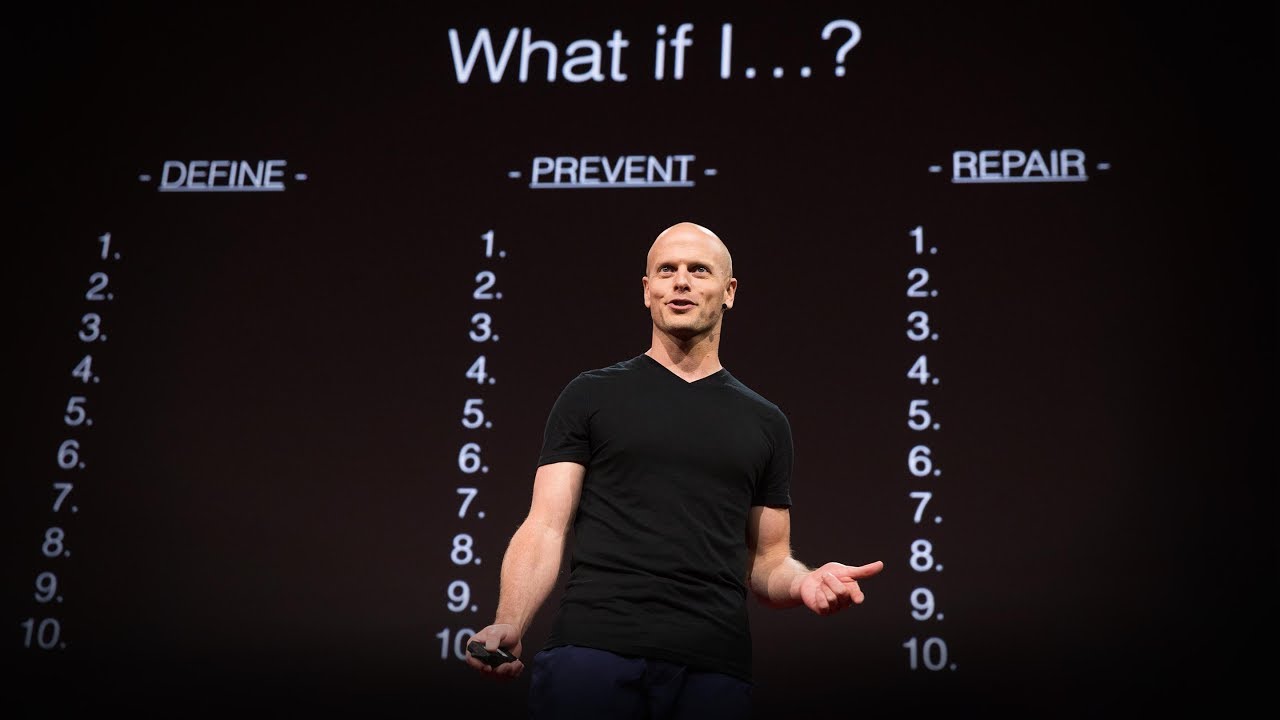
How do I overcome fear and take action? To overcome fear and take action, name exactly what you are avoiding, then break it into pieces small enough that you will actually do one. Approaching those pieces at a pace you can tolerate is what teaches you the thing avoidance never can: that you can handle it. This approach comes out of Episode 13 of the Self Help Show, where I talk about my own history with fear and avoidance, being afraid of the dark as a child, then of rooms full of people, then of failing at things that mattered. I am also open in that episode about the fact that therapy did most of the heavy lifting in rebuilding my confidence. What follows is a relatable account of stepping into the unknown, drawn from my own path rather than from clinical training. It is practical encouragement, not a substitute for professional mental health support. If you want the honest version of facing the unknown, the episode is below. The written method follows it. Why do we experience the fear of failure? Fear is a normal human response to a perceived threat. The NHS guidance on anxiety, fear and panic describes how these feelings set off a fight-or-flight response, an alarm system built for sudden physical danger. That means a racing heart, sweating, quick shallow breathing. Useful if something is actually about to hurt you; less useful when the threat is a staff meeting or a submit button. The physical response is real either way, and it is unpleasant enough that we learn to sidestep whatever sets it off. How does avoidance keep us stuck? Avoiding something anxious-making works, briefly. The relief is immediate, which is exactly the problem it teaches you that the escape was necessary, and therefore that the thing was dangerous. The NHS puts it plainly on its facing your fears page: avoiding a situation makes it harder to face and lets the fear grow, while approaching it gradually is what starts to shrink it. Each avoidance narrows the range of things you will attempt, usually without you noticing until the range is quite small. The method below follows NHS self-help guidance rather than anything invented here. Our editorial policy sets out how we separate that guidance from my own commentary. How can the Courage Ladder help you overcome fear and take action? Getting past avoidance needs a structure, because in the moment you will not invent one. The principle is graded exposure: approach the fear one manageable piece at a time instead of jumping in at the deep end, so your nervous system has a chance to catch up. The Self Help Show Courage Ladder is a one-page worksheet for doing this on paper: name the feared action, rate the distress from 0 to 100, break it into smaller steps, choose a safe starting point, and record what actually happened. Download it and keep it to hand the last column, where you write down what happened, is the one that does the work. Here is the seven-step version in full. Step 1: What is the specific action you are avoiding? Name the exact behaviour, not the category. A general fear of failure gives you nothing to act on; "I have not sent the pitch email" does. It might be publishing something you wrote, speaking in a meeting, or making a financial decision you keep deferring. Writing it down moves it out of the vague dread in your chest and onto a line you can look at. That alone usually shrinks it a little. Step 2: How do you rate your current distress? Imagine doing the thing and rate how distressed that makes you, from 0 to 100. This is the NHS's own scale on its facing your fears page, so you are not inventing a system. Zero is completely calm. One hundred is panic and an overwhelming urge to get out. Putting a number on a feeling is a small act of distance it makes the fear something you are observing rather than only something you are inside. Step 3: How do you break it into smaller steps? The NHS recommends breaking a fear into smaller, more manageable steps rather than confronting it whole. If the thing you named sits at 85, going straight at it tends to confirm the fear rather than dissolve it. If the feared action is speaking up in a meeting, the smaller steps might be: write the point down beforehand, say it out loud alone, tell it to one colleague you trust, then say it to the room. Rate each one separately. You are building a ladder, and the rungs need to be close enough together to climb. Step 4: Where is the safest place to begin? Look down your list and pick the lowest-rated step that is genuinely safe to do. Not the most impressive one, the easiest one. That is your starting rung. Starting small keeps the alarm response manageable, which matters because a step that overwhelms you teaches the wrong lesson. Getting through an easy rung is what makes the next one plausible. Step 5: How can I prepare myself to face this step? It helps to work out what you actually think will go wrong. Tim Ferriss calls this fear-setting: instead of writing down what you hope to achieve, you write down precisely what you dread, then ask what you would do if it happened and whether it could be undone. His thirteen-minute TED talk below walks through it. Most of what we avoid turns out to be reversible, and seeing that written out takes some of the weight off. Step 6: What happens when I take the action? Do the step you chose. Expect the anxiety to spike as you start that is the alarm going off, not evidence that you have made a mistake. The aim is to stay with it long enough for the spike to come down on its own, which it generally does. You do not have to feel calm for this to count. Completing the step while uncomfortable is the entire point; feeling fine was never the target. Step 7: What did I learn from this experience? Write down what happened next to what you predicted would happen, while it is still fresh. Did the worst case arrive? Usually it did not, and usually you would not remember that a week later without the note. That record is the point of the whole exercise. Fear makes predictions; the notebook is where you find out how accurate they were. After a dozen entries you have something more persuasive than reassurance you have your own results. Understanding the boundaries of self-help This works for ordinary hurdles. It is not a treatment programme, and you should not use it to push yourself into anything genuinely unsafe. Persistent or severe anxiety, panic attacks, trauma responses, or symptoms that are affecting your daily life deserve a qualified mental health professional rather than a worksheet. In the UK you can refer yourself directly to an NHS talking therapies service without going through a GP. If you are feeling hopeless or thinking about harming yourself, reach out now: in the US call or text 988, in the UK and Ireland Samaritans on 116 123, and elsewhere Find A Helpline lists services by country. Our medical professional disclaimer sets out the limits of what educational content like this can do. Related Self Help Show guides How to Rebuild Faith When You Feel Hopeless: for when being stuck has stopped feeling temporary. Embrace Your Uniqueness: useful when the fear is really about being judged. Burnout Recovery Tools That Actually Help: exhaustion and fear look identical from the inside; this helps tell them apart. Trust and Verification The graded-exposure method and the 0–100 scale come from NHS self-help guidance, linked below. The fear-setting exercise comes from a TED talk. The episode reflections are my own experience rather than clinical guidance. NHS, Facing your fears: the source of the 0–100 rating scale and of breaking a fear into steps to be approached one at a time. It also states that avoidance makes fears grow. NHS, Get help with anxiety, fear or panic: the fight-or-flight description and its physical symptoms, and the route to NHS talking therapies self-referral. Tim Ferriss, TED: the fear-setting exercise in Step 5. A popular talk by a writer rather than a clinician — useful as a framing device, not as evidence. Your next step forward Learning how to overcome fear and take action is slow, and it is meant to be. You do not have to face the biggest thing to make progress naming one specific fear, starting on the easiest rung, and writing down what actually happened will move the edge of what you will attempt. Episode 13 has the fuller account of how I worked through my own, and the Courage Ladder is there when you want to map out a starting point. If it is useful, pass it to someone who is stuck on their own next small step. About the creator: Learn more about Gina Margaret Tiger and the Self Help Show at https://www.selfhelpshow.com/about
- How to Change Negative Thought Patterns: A 6-Step Mindset Reset
How do you change negative thought patterns? To change negative thought patterns, you can notice an unhelpful thought and clearly identify it in writing. Then, you can evaluate the factual evidence for and against this thought to deliberately choose a more balanced next response. This approach to a mindset reset follows the reflections I share in Episode 14 of the Self Help Show. I am drawing on my own experience of personal development rather than speaking with clinical authority, and this article is educational rather than therapeutic. I use a garden metaphor in that episode to describe my own mental landscape, the idea being that what you take in shapes what grows. Protecting your daily energy comes down to choices about what you read, watch and listen to. Treat your mind as a space that needs tending and you start to notice which thought patterns help and which ones do not. If you want a conversational look at how daily habits shape your internal narrative, the episode is a good place to start. Listen below for the full version of why the mind works like a garden and what to do about your media diet. Why do negative thoughts feel so sticky? The social psychologist Alison Ledgerwood gave a ten-minute TEDx talk at UC Davis on why minds get stuck in the negatives and what it takes to get unstuck. It is worth watching because it reframes the problem: negative information tends to stay with us longer than positive information, which makes an unhelpful thought a normal human tendency rather than a personal failing. How does the garden metaphor illustrate mental habits? The garden metaphor is about what passive consumption does over time. If you picture your mind as a landscape, some inputs are worth planting a book that makes you think, a conversation that leaves you steadier. A steady diet of outrage plants something else. Gardens do not stay healthy on their own; someone has to notice what is spreading and deal with it early. You can be that person for your own attention, which mostly means deciding what gets in rather than fighting what is already there. Unhelpful thoughts turn up in every mind, the way weeds turn up in every garden. The aim is not a pristine landscape with no difficult thoughts in it that garden does not exist. The aim is noticing them early enough that they do not block the view. How do you recognize common unhelpful thinking styles? Before you can change a pattern you have to catch it, and unhelpful thoughts are good at disguising themselves as urgent facts. The usual tell is extreme language: always, never, completely, everyone. One common pattern is catastrophic thinking, where your mind immediately jumps to the worst possible outcome of a minor event. Another frequent pattern is personalization, where you might assume you are directly responsible for external events outside your control. Black-and-white thinking is also prevalent, prompting you to view situations strictly as total successes or complete failures. Spotting these takes practice. When you notice absolute language in your own head, treat it as a signal to stop rather than a conclusion to act on. That pause is the whole opening it is what makes the next six steps possible. What is the 6-Step Mindset Reframe Loop? The Self Help Show Mindset Reframe Loop is a one-page worksheet for doing this on paper instead of in your head. It has space for the situation, the automatic thought, the emotion, the evidence for, the evidence against, a balanced thought, and one action. It follows the same shape as the NHS thought record, which uses seven prompts to work through the evidence for and against a thought. Download it below and keep it somewhere you will actually reach for it when a specific event has knocked you sideways. Step 1: What is the exact situation? The first step is to separate the event from your reaction to it. Write down the objective facts of what happened who, what, when, where, and nothing else. Leave out feelings and assumptions. If your manager sends a short email, the situation is that a short email arrived. Not that it was curt, not that something is wrong. Keeping this line strictly factual is what makes the rest of the exercise work. Step 2: What is your automatic thought? Now write the thought that arrived with it, in the exact words it used. Automatic thoughts are fast and they do not announce themselves as opinions. In the email scenario it might be: "My boss thinks my project is a complete failure." Getting it onto paper takes it out of the echo chamber. On the page it is a sentence someone wrote, which is much easier to disagree with. Step 3: What emotion are you feeling? Name the main feeling. Anxiety, sadness, anger and shame cover most of it, and it is fine if two apply at once. Rate it out of ten. The number matters less than the habit of checking, it gives you something to compare against when you come back to this in an hour. Naming a feeling does not commit you to acting on it. Step 4: What is the supporting evidence? Now act like an impartial detective. What actual evidence supports the thought? The NHS's self-help CBT techniques make the point that this has to be observable something you could show another person rather than how strongly you feel it. If the thought is that your boss dislikes the project, the evidence column is usually thin: the email was shorter than usual and had no exclamation mark. Written down, that is visibly not much to build a catastrophe on. Step 5: What is the evidence against this thought? This is where the reset actually happens. Go looking for facts that contradict the thought. The NHS guide on reframing unhelpful thoughts suggests asking what you would say to a friend in the same position, and whether there is another reading of the situation you have not considered. You might remember your manager is travelling and answering from a phone. You might remember your last review was good. None of this proves the thought wrong; it just stops it being the only account on the table. Step 6: How can you choose a balanced thought and next action? Pull the evidence together into one new sentence. This is not forced positivity and it is not pretending the situation is fine. A balanced thought is simply the version that accounts for everything you just wrote down, including the uncomfortable parts. Something like: "The email was brief, probably because they are travelling, and nothing else suggests the project is in trouble." Then pick one action. Reply calmly, or shut the laptop and go for a walk. Either counts, the point is that you chose it. How does media consumption impact your internal narrative? What surrounds you all day feeds the thoughts you have to argue with later. A constant diet of distressing news, infinite feeds and social media rows tends to raise your baseline before anything has even happened to you. Curating that environment is part of the reset rather than an optional extra. Read things that leave you thinking rather than braced. Listen to something constructive on the commute. Put a limit on late-night scrolling, which is where most of the damage gets done. Protecting your attention preserves the energy you need to challenge a thought when one turns up. Evaluating evidence is effortful, and it is much harder when you are already worn out by noise. Time away from high-stimulation environments is not indulgence; it is what makes the six steps possible at all. What are the limits of self-help and positive thinking? This is a useful skill with real limits. Distressing thoughts cannot always be shifted by willpower or by looking at the evidence, and the NHS is clear that reframing will not resolve the underlying problem at best it breaks a spiral and buys you a different view. Persistent intrusive thoughts, severe anxiety, depression, trauma symptoms or a day you cannot function through deserve qualified professional support. If you are having thoughts of harming yourself, reach out now rather than reaching for a worksheet: in the US call or text 988, in the UK and Ireland Samaritans on 116 123, and elsewhere Find A Helpline lists services by country. Self-help content is educational, not treatment. Our medical professional disclaimer sets out where the boundaries sit, and our editorial policy explains how we separate my own opinions from established psychological concepts. There is no guarantee that thinking differently will produce any particular outcome in your life, and it is not true that people can control every thought that enters their heads. If these exercises consistently leave you more distressed rather than less, that is a reason to stop and speak to a licensed therapist rather than to try harder. Related Self Help Show guides Attention Management: Why Your Attention Is More Valuable Than Money: the practical follow-on from the media consumption section above. Embrace Your Uniqueness: for when the automatic thought is about who you are rather than what happened. Burnout Recovery Tools That Actually Help: for when you are too depleted to argue with anything. Trust and Verification: What sources support this process? The six-step method here is a plain-language version of a standard CBT thought record, and the sources below are where it comes from. The garden metaphor and the media-diet advice are my own reflection rather than clinical guidance, and are marked as such above. NHS, Reframing unhelpful thoughts: the identify-check-reframe sequence this article follows, including the "what would you say to a friend" prompt. The NHS states plainly that reframing will not resolve the problem itself, only break a negative spiral. NHS, Thought record and self-help CBT techniques: the seven-prompt structure our worksheet mirrors, and the source for checking evidence against observable facts rather than feelings. Alison Ledgerwood, TEDxUCDavis: a ten-minute talk by a social psychologist on why negative information sticks harder than positive. A public talk rather than a paper, so treat it as an accessible summary of her research rather than the research itself. Errors are corrected under our Corrections Policy if something here is wrong, tell us and we will fix it. Ready to practice your mindset reset? Try the six steps on the next thing that rattles you, while it is still fresh enough to remember the exact wording. Episode 14 has the fuller conversation about protecting your mental energy, and the Mindset Reframe Loop is there to fill in when you need it. If it helps, pass it on to someone who would use it.
- How to Build Self-Love and Confidence From Real Evidence
Working out how to build self-love and confidence means getting past the affirmation stage and into something you can actually point at. Confidence that holds up is built on evidence a record of times you did the hard thing, kept a boundary, or handled something badly and survived it. Belief without that record tends to collapse the first time it is tested. The other half is how you speak to yourself while you are building it. Relentless self-criticism does not make anyone try harder; it mostly makes them avoid trying at all. In Episode 29 of the Self Help Show, Gina Margaret Tiger talks about self-love and what changes when you stop waiting to be told you are enough. This is lived experience and peer encouragement rather than clinical authority our Editorial Policy sets out where that line sits. If you want an honest conversation about building confidence without the hype, this episode is a good place to start. Listen below. The written version below adds the evidence and the worksheet the episode does not have room for. What is the quick answer for how to build self-love and confidence? You do not need a personality overhaul. The short answer is to collect evidence of your own reliability, decide what you actually value, hold the boundaries that follow from it, and drop the running commentary. Keep a record: Write down things you actually did. Memory is unreliable and biased against you on bad days. Acknowledge your humanity: You are going to get things wrong. A standard that does not allow for that is not a standard. Know what drains you: Notice which situations and people leave you flattened, then decide what you will do about it. Act small and often: Keeping a small promise to yourself repeatedly is what builds the record in the first place. Why does inner emotional health dictate our outward confidence? How you feel about yourself leaks out before you say anything in posture, in eye contact, in whether you finish your sentences. That is not mysticism, it is just that self-doubt is effortful and the effort shows. When the internal argument quietens down, more of your attention is available for the person in front of you, and people read that as confidence. The strongest evidence here is about self-compassion rather than confidence as such. MacBeth and Gumley's 2012 meta-analysis in Clinical Psychology Review pooled 20 samples from 14 studies and found a large association between self-compassion and lower levels of depression, anxiety and stress (r = −0.54). One important limitation: these were correlational studies, so they cannot tell you which direction the arrow points. Kinder self-talk may reduce distress, or less distress may make kinder self-talk easier. The National Institute of Mental Health's page on caring for your mental health covers the unglamorous end of this, sleep, movement, staying in contact with people, setting goals you can actually reach. It is consumer guidance rather than research, and it will not feel like transformation. It is still most of what holds a person steady. Here is the difference between borrowed confidence and the kind you build yourself. Graphic by Self Help Show - https://www.selfhelpshow.com/ How can I build a multi-step plan for cultivating lasting self-love? These five steps are a practical structure drawn from lived experience, not a validated clinical protocol. They move from clearing what is in the way to collecting what you can stand on. Step 1: Examine and clear your emotional backlog In the episode I talk about how much old resentment costs to carry. Take an hour and write down what you are still holding the argument you never finished, the person you have not forgiven, the thing you decided about yourself at nineteen. You do not have to resolve any of it today. Naming it stops it working in the background. Step 2: Practice radical self-forgiveness You cannot build confidence while running a permanent prosecution against yourself. Decisions made without hindsight were made without hindsight; that is not a defence, it is just what happened. Extending yourself the same allowance you would extend a friend is the part that frees up energy for anything else. Step 3: Name your values, then set boundaries from them Write down three or four things you actually care about — not what you think you should care about. Boundaries drawn from values hold, because you can say why they exist. Boundaries drawn from irritation alone tend to move the moment someone pushes. Notice which situations and people consistently cost you the most, and check them against that list. Step 4: Celebrate everyday micro-wins This is the evidence bank, and it is the step that does the actual work. Write down the specific thing: handled a difficult conversation without shouting, went to bed when tired instead of scrolling, said no. On a day when you feel worthless, a written record is harder to argue with than a feeling. Step 5: Anchor yourself in present self-awareness Build the habit of pausing before you react long enough to notice what you are feeling and decide whether it needs acting on. Not everything does. This will not give you permanent equanimity, and anyone promising that is selling something, but it does widen the gap between the trigger and your response. The Episode 29 Self Love Evidence Bank is a printable worksheet for keeping that record what you did, when, and what it cost you so it exists somewhere other than your memory. Add one entry a day for a fortnight before you judge whether it is working. What are some practical resource recommendations for boosting self-confidence? A few structured tools make this easier to keep up. Look for ones built around self-worth rather than performance. Self-compassion workbooks: Exercises for quietening the inner critic, which is the construct the meta-analysis above actually measured. Emotional awareness journals: Daily prompts for tracking what drains you and what does not, over enough weeks to see a pattern. Grounding audio: Short guided practices for staying settled in situations that usually rattle you. Professional support: A licensed therapist, where the belief that you are not worth much goes back a long way. The Mel Robbins Podcast episode below runs about forty minutes and asks the same question this article does, what learning to love yourself actually involves, rather than what it is supposed to feel like. It is a long listen, so save it for a walk. It is a popular self-help podcast rather than a clinical source, which is worth knowing going in. Take the framing and leave anything that sounds like a guarantee. Frequently Asked Questions (FAQ) about self-love and confidence Is self-love the same thing as being arrogant or narcissistic? No. Narcissism runs on being better than other people and needs constant topping up from outside. Self-respect does not require a comparison at all. In practice, people who are steadier about their own worth tend to be easier to be around, not harder, they are not auditioning. What if I feel completely unworthy of self-love right now? That feeling is common after a long stretch of self-criticism, and it is a feeling rather than an assessment. Do not start with loving yourself that is too far. Start with ordinary courtesy: eat something, answer the message, go to bed. Worth is not the entry requirement for basic care. How long does it take to build real, lasting confidence? There is no finish line, because the situations keep changing. What does happen is that the recovery gets shorter, you still get knocked, but you are back on your feet in a day rather than a fortnight. That is the realistic version of progress. When should I seek professional help for low self-esteem? Speak to a licensed mental health professional if low self-worth is affecting your relationships, your work or your ability to get through a day, or if it has been the background of your life for as long as you can remember. If you are feeling hopeless or thinking about hurting yourself, reach out now: in the US call or text 988, in the UK and Ireland Samaritans on 116 123, and elsewhere Find A Helpline lists services by country. Related Self Help Show guides Embrace Your Uniqueness: the companion piece to Step 3, on working out what is actually yours. Attention Management: Why Your Attention Is More Valuable Than Money: practical help with the boundaries in Step 3. Burnout Recovery Tools That Actually Help: for when there is no capacity left to build anything with. Trust and verification sources Two sources sit behind the factual claims here: one peer-reviewed meta-analysis and one consumer guidance page from a public health body. The five-step plan is a practical structure drawn from lived experience, not a validated clinical protocol. MacBeth & Gumley (2012), Clinical Psychology Review: meta-analysis of 20 samples from 14 studies, finding a large association between self-compassion and lower depression, anxiety and stress. Correlational, so it cannot establish cause; heterogeneity between studies was significant. National Institute of Mental Health (NIMH): consumer guidance on everyday mental health care. Guidance, not a study. Author: Gina Margaret Tiger, writing from lived experience rather than clinical training. Standards: Published under our Editorial Policy; errors corrected under our Corrections Policy. Your next step toward radiant self-love Learning how to build self-love and confidence is slower and less dramatic than most versions of it suggest. Clear what you are carrying, work out what you value, hold the boundaries that follow, and keep the receipts. Episode 29 has the fuller conversation, and the evidence bank is there when you are ready to start the record. This content is for informational and educational purposes only and does not constitute medical, psychological, financial or clinical advice. For more details, please review our Medical / Professional Disclaimer.
- How to Forgive Yourself for Past Mistakes Without Avoiding Accountability
Working out how to forgive yourself for past mistakes means separating accountability from punishment. They feel similar from the inside, but only one of them changes anything. Punishment keeps the event alive; accountability finishes it. You can take full responsibility for what you did without treating it as evidence of what you are. That is the whole move. It is not a loophole, and it does not require deciding the harm did not matter. In Episode 27 of the Self Help Show, Gina Margaret Tiger talks about letting go of old anger and what it took to stop rehearsing the same regrets. This is lived experience and peer encouragement rather than clinical authority our Editorial Policy sets out where that line sits. If you want an honest conversation about releasing regret without letting yourself off the hook, this episode is a good place to start. Listen below. The written version below covers the same ground in a form you can work through slowly. What is the quick answer for how to forgive yourself for past mistakes? You do not need a breakthrough. The short answer is to name what went wrong, repair what can still be repaired, change the behaviour, and then stop charging yourself rent for it. Acknowledge without spiralling: Say plainly what you did. Stop before the part where you generalise it into a verdict on yourself. Repair in proportion: Make amends where they are still possible and welcome. Not every repair is yours to make. Release the mental replay: Rerunning the scene is not the same as answering for it, though it feels more virtuous. Change the behaviour: Doing it differently next time is the only part of this that is actually evidence of anything. How do guilt and shame differ, and why does it matter? The distinction that makes self-forgiveness possible is the one between guilt and shame. On the APA's Speaking of Psychology podcast, the psychologist June Tangney, who has spent a career studying both, describes guilt as feeling bad about a specific behaviour and shame as feeling bad about yourself. The practical difference is what each one makes you do. Guilt tends to prompt confessing, apologising and undoing the harm. Shame tends to prompt hiding and denying. If accountability is what you are after, guilt is the useful feeling and shame is the one that gets in the way. This is also why replaying the scene does not count as facing it. Running the same memory again without reaching anything new leaves you more worn down and no better informed. Repair is an action with an end point; the replay has none, which is how a person can spend years feeling terrible about something and never once address it. Here is the route from regret to repair, laid out in one place. Graphic by Self Help Show - https://www.selfhelpshow.com/ How can I build a multi-step plan for true self-forgiveness? These five steps are a practical structure drawn from lived experience, not a validated clinical protocol. They are ordered so that accountability comes before relief, which is the part most versions of this get backwards. Step 1: Differentiate between guilt and shame Using Tangney's distinction above: write down what you did as a behaviour, in one sentence, without adjectives about yourself. "I broke a promise to my sister" rather than "I am a selfish person." The first can be answered. The second cannot, which is precisely why it feels so permanent. Step 2: Make tangible amends where appropriate If someone was harmed and contact is welcome, apologise for the specific thing and offer to put right what can be put right. Do not attach a request for forgiveness; that turns the apology into a transaction. And if contact would cause further harm, the amends are made in how you behave from here rather than in a conversation you want to have. Step 3: Recognize your past limitations In the episode I make the point that we mostly punish ourselves for not knowing then what we know now. You decided with the maturity, information and support you actually had at the time. Naming what you did not have is not an excuse; it is just an accurate account. Step 4: Release the narrative of perfectionism A standard you have never once met is not a standard, it is a stick. Expecting a life without misjudgement guarantees a permanent supply of evidence against yourself. Allowing for ordinary error is what makes it possible to look at a mistake directly instead of flinching away from it. Step 5: Pivot your focus to present choices The past is closed and the present is not, so that is where the effort should go. Decide what you will do differently and make it specific enough to notice when you do it. Changed behaviour is the only part of this anyone can actually see. The Episode 27 Self Forgiveness Repair Plan is a printable worksheet for working through one regret at a time, what happened, what can still be repaired, and what changes from here. Take one regret, not the whole list. The list is what makes this feel impossible. What are some practical resource recommendations for overcoming regret? A few structured tools make this easier to face. Look for ones aimed at repair rather than at feeling better quickly. Self-compassion workbooks: Exercises for addressing yourself the way you would address a friend who had done the same thing. Expressive writing prompts: Getting the account out of your head and onto paper, where it stops shifting shape. Grounding audio: Short guided practices for the moments when a memory arrives uninvited. Professional support: A licensed therapist, particularly where the shame is long-standing or tied to trauma. The Psych Hub video below is a three-minute animated explainer on guilt and shame — a short introduction rather than a full treatment of the subject, but a clear one. It covers the same distinction as Step 1, which is worth hearing twice if the difference has not clicked yet. Frequently Asked Questions (FAQ) about forgiving yourself Does forgiving myself mean I am ignoring the harm I caused? No. It means letting go of the part that keeps you frozen so you can do the part that helps. Someone drowning in self-loathing is generally worse at making amends, not better they are too busy managing their own distress to attend to anyone else's. What if I keep remembering my past mistakes and feeling guilty all over again? Memories resurfacing is ordinary and does not mean the work has failed. When one arrives, note it, note what you have already done about it, and put your attention back on what is in front of you. That will need repeating, probably for a long time. How can I tell the difference between healthy reflection and toxic rumination? Reflection arrives somewhere — a decision, a sentence you can say, a thing you will do differently. Rumination circles the same ground and produces nothing. The test is simple: if you finish the thought worse off and no clearer, it was the second one. When should I seek professional help for overwhelming guilt? Speak to a licensed mental health professional if guilt has turned into persistent low mood, if you cannot sleep, or if you find yourself thinking about hurting yourself. If that last one is present, reach out now rather than working through a worksheet: in the US call or text 988, in the UK and Ireland Samaritans on 116 123, and elsewhere Find A Helpline lists services by country. Guilt this heavy is not something you have to carry on your own. Related Self Help Show guides How to Deal With Grief: An Emotional Healing Guide: for regret that is tangled up with loss, where no repair is available. How to Rebuild Faith When You Feel Hopeless: when the shame has hardened into a belief that nothing will change. Embrace Your Uniqueness: rebuilding a sense of yourself that is not organised around one mistake. Trust and verification sources One source sits behind the factual claim in this article: the APA interview with June Tangney on guilt and shame. The five-step plan is a practical structure drawn from lived experience, not a validated clinical protocol, and it is not offered as treatment. American Psychological Association, Speaking of Psychology: June Tangney on the difference between guilt and shame, and on guilt prompting repair where shame prompts concealment. An expert interview rather than a single study. Author: Gina Margaret Tiger, writing from lived experience rather than clinical training. Episode 27. Standards: Published under our Editorial Policy; errors corrected under our Corrections Policy. Your next step toward emotional freedom Learning how to forgive yourself for past mistakes is mostly a matter of finishing things: naming the behaviour, repairing what can be repaired, changing what happens next, and then letting the account close. Episode 27 has the fuller conversation, and the repair plan is there when you are ready to take one regret at a time. This content is for informational and educational purposes only and does not constitute medical, psychological, financial or clinical advice. For more details, please review our Medical / Professional Disclaimer.
- How Generosity Improves Mental Health Without Self-Abandonment
Understanding how generosity improves mental health means looking past money. Sharing time, attention or something you know how to do tends to leave people feeling more connected and more useful than the same hour spent alone. That is the part worth building on. The catch is that giving past your own limits does the opposite. Generosity that runs on guilt produces resentment, not wellbeing. Keeping a boundary around what you can actually spare is what makes the rest of it sustainable. In Episode 26 of the Self Help Show, Gina Margaret Tiger talks about sharing what you have and how small acts of care hold a community together. This is lived experience and peer encouragement rather than clinical authority. our Editorial Policy sets out where that line sits. If you want an honest conversation about how kindness lands on both sides of the exchange, this episode is a good place to start. Listen below. It runs about twenty minutes and is worth hearing before you read the steps below. What is the quick answer for how generosity improves mental health? You do not need a grand gesture. The short answer is that small, chosen acts of giving pull your attention outward and reinforce a sense of being useful to someone and that both of those things tend to lift mood. Do something concrete: A specific act for a specific person beats a vague intention to be more giving. Reduce social isolation: Sharing your time or skills is one of the easier ways to stay in contact with people. Shift your focus: Directing attention outward interrupts rumination for a while. That relief is real even if it is temporary. Establish healthy guardrails: Give from what you can spare rather than from what you need. The difference shows up later. Why does helping others benefit our psychological well-being? People often describe a lift after helping someone, and the phrase "helper's high" has stuck because the feeling is familiar. It is worth being careful with the mechanism, though. The tidy story about dopamine and endorphins doing the work is more confident than the evidence justifies, and you do not need it to be true for the effect to be worth having. The National Institute of Mental Health's page on caring for your mental health lists staying connected to other people among the everyday habits worth protecting, alongside sleep, movement and relaxation. It is consumer guidance rather than research, and it makes no claim about giving specifically. Still, it is a reasonable frame: contribution is one of the more durable ways to stay connected. The research picture is more mixed than the headlines suggest, and it is worth knowing that. The often-quoted 2008 experiment by Dunn, Aknin and Norton gave 46 participants money and asked them to spend it either on themselves or on someone else; the ones who spent it on someone else reported greater happiness. When a 2022 close replication in PLOS ONE repeated the study with 133 participants, the original analysis showed no significant difference; a second, more direct measure of happiness did show an effect in the same direction. So: a real but modest finding, still being argued over. Treat giving as something likely to help a little, not as a treatment. Here is what balanced giving looks like next to the depleting kind. Graphic by Self Help Show: https://www.selfhelpshow.com/ How can I build a multi-step plan for practicing sustainable generosity? These five steps are a practical structure drawn from lived experience rather than a validated clinical protocol. They are for giving in a way you can keep up. Step 1: Assess the fullness of your own cup In the episode I make the point that generosity flows easily only when your own needs are roughly met. Before offering time, money or energy, check what you actually have spare without treating the answer as a character verdict. Giving from empty leads to resentment, and resentment undoes the whole point. Step 2: Identify your unique forms of value Generosity is not restricted to money. You can offer emotional support, practical knowledge, an introduction, an hour of labour, or things sitting unused in a cupboard. Working out which of these costs you least is the useful exercise. Step 3: Establish clear, compassionate boundaries Decide in advance what you can give without compromising your finances or your rest, and decide it while you are calm rather than while someone is asking. A limit set ahead of time is much easier to hold. Saying no to one request is not a withdrawal of care. Step 4: Start small with everyday micro-actions You do not need to organise anything. Offer a real compliment, help a neighbour carry something, answer a question properly instead of quickly. Small repeated acts build the habit; large one-off gestures usually do not. Step 5: Reflect on the emotional impact Afterwards, notice what actually shifted. Sometimes it is warmth; sometimes it is nothing much, and that is worth noticing too. Paying attention tells you which kinds of giving are worth repeating and which were done out of obligation. The Episode 26 Generosity With Boundaries Planner is a printable worksheet for tracking what you give and what it costs you, so the two stay visible side by side. Fill it in over a fortnight rather than in one sitting. The pattern is the useful part. What are some practical resource recommendations for balanced giving? A few practical tools make this easier to keep up. Look for ones built around sustainable giving rather than obligation. Community volunteering platforms: Local directories that match your skills and available hours to causes near you. Boundaries and people-pleasing workbooks: Structured guides for practising a no you can live with. Resource-sharing networks: Neighbourhood groups redistributing surplus food, clothing and household goods. Professional support: A licensed therapist, if the pattern of over-giving runs deeper than a scheduling problem. In the TED talk below, the psychologist Elizabeth Dunn presents her own research on prosocial spending and argues that how you give matters as much as whether you do. It runs about fifteen minutes. She is the Dunn of the 2008 study mentioned above, so you are hearing the argument from the person who ran it, worth holding alongside the replication results. Frequently Asked Questions (FAQ) about generosity and mental health Can being too generous actually harm my mental health? Yes. Giving past your limits usually driven by guilt or a fear of disappointing someone leads to exhaustion and resentment. Generosity supports wellbeing when it is chosen, and stops doing so when it is compulsory. What if I don't have money to give? Does it still count? Money is a small part of it. Time, listening, teaching someone something, passing on things you no longer use all of it counts. The connection is doing the work, not the price. How do I know if I am giving out of obligation versus genuine desire? Notice what happens in your body when the request arrives. Dread, tightness or a rehearsed excuse usually means obligation. It will not always be a clean signal, but over a few weeks the pattern becomes readable. When should I seek professional support for chronic people-pleasing? Consider a licensed mental health professional if over-giving has settled into chronic anxiety or low mood, or if you have lost track of what you want separately from what others want. A clinician can work on the root of it in a way a worksheet cannot. If you are having thoughts of harming yourself, reach out now: in the US call or text 988, in the UK and Ireland Samaritans on 116 123, and elsewhere Find A Helpline lists services by country. Related Self Help Show guides Burnout Recovery Tools That Actually Help: for when the over-giving has already emptied the tank. Attention Management: Why Your Attention Is More Valuable Than Money: the same boundary question, applied to your hours. Embrace Your Uniqueness: on knowing what you have to offer that is actually yours. Trust and verification sources Two sources sit behind the factual claims here: one peer-reviewed replication study and one consumer guidance page from a public health body. The five-step plan is a practical structure drawn from lived experience, not a validated clinical protocol. Kim et al. (2022), PLOS ONE: a close replication (N = 133) of the 2008 Dunn, Aknin and Norton prosocial spending experiment (N = 46). The original analysis did not reach significance on repetition; a more direct happiness measure did show an effect in the original direction. National Institute of Mental Health (NIMH): consumer guidance on everyday mental health care, including staying connected to other people. Guidance, not a study. Author: Gina Margaret Tiger, writing from lived experience rather than clinical training. Episode 26. Standards: Published under our Editorial Policy; errors corrected under our Corrections Policy. Your next step toward balanced and joyful giving Working out how generosity improves mental health for you mostly comes down to giving what you can spare, on purpose, and noticing what it does. Episode 26 has the fuller conversation, and the planner is there if you want to see the pattern on paper. This content is for informational and educational purposes only and does not constitute medical, psychological, financial or clinical advice. For more details, please review our Medical / Professional Disclaimer.
- Positive Affirmations for Emotional Healing That Feel Believable
Using positive affirmations for emotional healing works better when the wording stays close to what you already believe. A statement that leaps far ahead of your actual self-view tends to get rejected on the spot, and the rejection stings. Phrasing that admits where you are, and leaves the door open, is easier to say and easier to mean. Recovery is rarely quick. Covering deep pain with bright language usually produces frustration rather than relief. Believable, kind phrasing asks less of you, and it is easier to keep up over months rather than days. In Episode 25 of the Self Help Show, Gina Margaret Tiger talks about intentional self-talk and reads a set of calming reflective phrases. This is lived experience and peer encouragement rather than clinical authority — our Editorial Policy sets out where that line sits. If you want a grounded approach to rebuilding your inner dialogue, this episode is a good place to start. Listen below. What is the quick answer for using affirmations for emotional healing? You do not need an elaborate routine to start shifting your internal dialogue. The short answer is to speak in gentle acceptance rather than demanding perfection of yourself. Choose believable phrasing: Opt for statements that acknowledge your current reality while remaining open to gradual improvement. Pair words with breath: Anchor each spoken phrase with a slow, deep breath to calm your physical nervous system. Focus on self-forgiveness: Release past self-blame by intentionally choosing to let go of old emotional baggage. Practice consistency: Dedicate a few minutes daily to quiet repetition, building familiarity and safety within your mind. Why do traditional affirmations sometimes fail to work? Many people try repeating absolute statements like "I am completely healed" or "I never feel anxious," only to feel an immediate spike of doubt. There is direct evidence for that reaction. In Wood, Perunovic and Lee's 2009 study in Psychological Science, 68 undergraduates were asked to repeat "I am a lovable person" at fifteen-second intervals. Participants who already had low self-esteem came out of it in a worse mood and thinking less of themselves than those who repeated nothing, while the benefit to participants with high self-esteem was small. The authors' own caution matters here: these were two small undergraduate experiments using an extreme-groups design, which they note can overstate effect sizes. It is one line of evidence, not a settled fact. The American Psychological Association's guidance on building resilience points in a similar direction, emphasising self-compassion, accepting that change is part of living, and keeping goals realistic. It is practical guidance rather than a study. Still, moving your affirmations from perfection towards progress fits that shape far better than forced optimism does. The National Institute of Mental Health's page on caring for your mental health lists relaxation practice, regular sleep and staying connected among the everyday habits worth protecting. It is a consumer explainer rather than research, and it promises no timeline. Grounded self-talk belongs in the same category — small, repeatable, unglamorous. Here is how absolute phrasing and believable phrasing compare, side by side. Graphic by Self Help Show - https://www.selfhelpshow.com/ How can I build a multi-step plan for practicing credible affirmations? A simple structure helps you fold this into an ordinary day. These five steps are for building statements that feel authentic enough to keep repeating. Step 1: Identify your core emotional friction points Before choosing any affirmation, pin down the specific self-critical thought that surfaces when you are stressed. Knowing what your inner critic actually says lets you write something that answers it directly. Vague statements bounce off; specific ones land. Step 2: Bridge the gap with progressive phrasing Instead of claiming you never feel pain, frame your statements around willingness, choice, and gradual growth. Use language like "Today, I choose to practice patience with myself" or "I am learning to release past judgment." This phrasing stays inside what you can accept, so there is nothing to argue with. Step 3: Create a quiet, grounded environment In the episode I talk about how much the setting matters. Sit comfortably, cut the obvious distractions, and give yourself a moment to settle before you speak. It is hard to absorb reassurance in a room that is still asking things of you. Step 4: Infuse your words with personal conviction Recited mechanically, the words do nothing. Say them aloud in a tone you would actually use with someone you cared about. The tone is doing at least as much work as the vocabulary. Step 5: Pair your practice with daily consistency Change here comes from small repeated exposures to safety, not from one dramatic breakthrough. Five minutes each morning or evening is enough to be going on with. Consistency does more than intensity. Drafting your own statements is easier with something to write on. The Episode 25 Credible Affirmation Builder is a printable worksheet for designing believable self-talk and noting which phrases you can say without flinching. Work through it slowly. Finding wording you do not silently argue with is the whole exercise. What are some practical resource recommendations for emotional reframing? A few structured tools make this easier to sustain. Look for ones built around steady practice rather than quick-fix positivity. Cognitive reframing workbooks: Structured exercises for spotting a distorted thought and writing a balanced version next to it. Guided meditation audio: Recordings that give your body something to follow while a difficult memory is present. Journaling prompts: Daily writing that makes room for self-forgiveness without requiring you to perform gratitude. Professional support: A licensed therapist, for the parts of this that a worksheet is not built to hold. If you would rather be talked through it than read about it, the Headspace guided meditation below runs seven minutes and walks you through softening harsh self-talk and settling your attention. It is a guided audio practice rather than an explainer, so it pairs well with the episode's point that tone matters as much as wording. Frequently Asked Questions (FAQ) about positive affirmations Why do positive affirmations sometimes make me feel worse? They can, when they clash with a self-belief you hold firmly — your mind treats the statement as untrue and says so. Soften the phrasing from absolute declarations to progressive ones that honour where you are now. Meeting yourself where you actually live is the part that works. How long does it take for affirmations to change my mindset? It is gradual, and it depends on consistency more than effort. You may notice a small shift in your breathing or your shoulders inside a single session; a durable change in how you speak to yourself usually takes weeks. Patience is part of the method rather than a consolation prize. Can affirmations replace professional mental health therapy? No. Affirmations are a reasonable daily self-care practice, but they are not a substitute for clinical treatment. If you are managing severe trauma, clinical depression, or chronic anxiety, work with a licensed mental health professional. If you are having thoughts of harming yourself, reach out now: in the US call or text 988, in the UK and Ireland Samaritans on 116 123, and elsewhere Find A Helpline lists services by country. How many times a day should I repeat my affirmations? There is no required number. Two or three repetitions said with attention during a difficult moment do more than fifty rushed ones. Let the rhythm follow the need rather than a quota. Related Self Help Show guides Embrace Your Uniqueness — accepting the self you actually have is where believable phrasing starts. How to Deal With Grief: An Emotional Healing Guide — for when the pain underneath the self-talk has a name. Attention Management: Why Your Attention Is More Valuable Than Money — for protecting the quiet five minutes this practice needs. Trust and verification sources Three sources sit behind the claims here: one peer-reviewed study and two consumer guidance pages from public health bodies. Everything else is lived experience and personal reflection, and is marked as such in the text. Wood, Perunovic & Lee (2009), Psychological Science: repeating "I am a lovable person" left participants with low self-esteem feeling worse, not better. Two small undergraduate experiments (68 students in the first); the authors note the extreme-groups design can overstate effect sizes. American Psychological Association (APA): consumer guidance on resilience, self-compassion and realistic goal-setting. Guidance, not a study. National Institute of Mental Health (NIMH): consumer guidance on everyday mental health care. Guidance, not a study. Author: Gina Margaret Tiger, writing from lived experience rather than clinical training. Episode 25. Standards: Published under our Editorial Policy; errors corrected under our Corrections Policy. Your next step toward compassionate self-talk Choosing positive affirmations for emotional healing that you can actually believe is less dramatic than it sounds, and more durable for it. Pick wording close to where you are, keep it short, and say it often enough that it stops feeling like a performance. Episode 25 has the fuller version, and the worksheet is there when you want to draft your own. This content is for informational and educational purposes only and does not constitute medical, psychological, financial or clinical advice. For more details, please review our Medical / Professional Disclaimer.